How to Choose a Barcelona Helicopter Flight That Fits Your Plans
Choosing a vuelo en helicoptero barcelona starts with a simple question: what do you want from the flight? Some people want a broad vista panorámica of the city and the coast. Others care most about a calm, short introduction to helicopter travel. Once the purpose is clear, the rest of the decision becomes much easier.
A helicopter flight is not just a way to move between two points. It is an experience shaped by route, flight time, group size, weather, and the rules set around each takeoff and landing. The best choice is rarely the one that looks most dramatic on a page. It is the one that matches your schedule, comfort level, and expectations clearly.
Start with the kind of experience you want
Before comparing options, decide whether you want a route focused on landmarks, coastline, or a general overview of Barcelona. A vuelo turístico often works best for first-time riders because it gives the flight a clear shape and a reason for each stretch of the route. If you are interested in photography, think about the angle of the sun, the season, and whether the route passes areas you want to see from above.
Also consider how much time you want to spend in the air. A longer flight gives more scope for varied views, but it may ask more from your schedule. Shorter flights can fit neatly into a day with other plans, though they may feel quick if you are hoping to take in many details. For many visitors, the right balance is a route that feels complete without taking over the whole day.
When you begin comparing information, keep the Helicopter Tour Barcelona official site in mind as one reference point for the subject, then judge each option by the same practical criteria. Clear route details, plain language, and honest limits are more useful than vague promises.

Check the route in real terms
The ruta de vuelo is one of the most important parts of any vuelo en helicoptero barcelona. Look beyond a list of famous names. Ask what the aircraft will actually pass over, where it turns, and which areas are likely to be seen clearly. A route that includes the coastline may offer wide views, while one centred on the city may give a stronger sense of streets, buildings, and landmarks.
Think about what matters visually. If you want the sea, a route along the coast may suit you. If you want the city layout, a flight around central areas may be more satisfying. If your priority is a recognisable landmark from the air, check whether the route is described with that landmark in mind rather than simply implying it.
Weather can change what you see. Haze, low cloud, and strong wind can affect visibility and comfort, even when the flight itself remains safe and well managed. A good choice leaves room for flexibility, especially if your travel dates are tight.
Match the duración del vuelo to your day
Flight length shapes the whole experience. A short flight can be memorable, but it demands good timing. You need to arrive prepared, listen carefully, and be ready to settle in quickly. A longer flight offers a slower pace and more time to take in the changing view, but it may require a larger block of free time.
Look at the total time around the flight, not just the minutes in the air. Travel to the meeting point, check-in, safety briefing, boarding, and time after landing all matter. If the rest of your day is tightly packed, choose something with enough space around it so you are not rushing.
It also helps to think about the group. A family with children may prefer a straightforward option with a clear structure. A couple looking for a special outing may value a quieter flight with a route that lingers over the most interesting views. A solo rider may care most about clear information and a comfortable seat.
Read the safety information carefully
Safety is not a detail to skip. Before choosing, review the instrucciones de seguridad provided for the flight. These instructions explain how passengers should behave before boarding, during the flight, and after landing. They may cover seat belts, luggage, movement around the aircraft, and what to do if conditions change.
Pay attention to whether the guidance is easy to understand. Clear instructions are a good sign because passengers need to know what is expected without guessing. If something is unclear, ask before committing. This is especially relevant for anyone with mobility needs, medical concerns, or worries about noise and confined spaces.
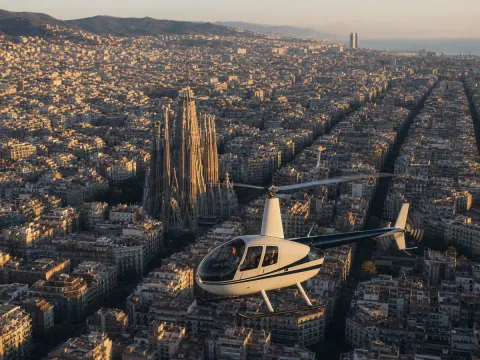
The piloto is another central part of the decision. While passengers do not need to judge technical skill on their own, they can look for clear communication and a professional approach. A pilot who explains the route, the expected conditions, and the basic procedures helps passengers feel prepared rather than rushed.
Understand the aircraft without overcomplicating it
The modelo de helicóptero can affect comfort, visibility, and the feeling of the flight. Different models may have different seating layouts, window space, noise levels, and luggage limits. Most passengers do not need deep technical knowledge, but they should know whether the aircraft suits the group and the route.
Useful questions are practical ones. How many passengers are normally carried? Are seats arranged side by side? Is there enough window access for everyone who wants a clear view? Are large bags allowed? If the answer to these points is missing, the listing may be too vague for a careful decision.
Do not treat the aircraft model as the only measure of quality. A well matched aircraft, a sensible route, and clear procedures usually matter more than a name that sounds impressive. The right choice depends on how the flight is run and whether the details fit your needs.
As you narrow the field, the Helicopter Tour Barcelona official site can be kept alongside other sources you check for route and planning context. Compare like with like: flight time, route description, passenger rules, meeting details, and safety information. This keeps the decision grounded.
Check logistics before you commit
The zona de aterrizaje and the meeting point deserve close attention. A flight is only relaxing when you know where to go and when to arrive. Check the location carefully, allow extra time for traffic, and confirm what happens if you arrive late. In a busy city, transport to the starting point can take longer than expected.
Read the rules on luggage, clothing, and personal items. Loose objects can be a problem around aircraft, so passengers should follow the stated guidance. Comfortable clothing is usually sensible, and layers can help with changing conditions. If photography is important, make sure your camera or phone can be secured properly during the flight.
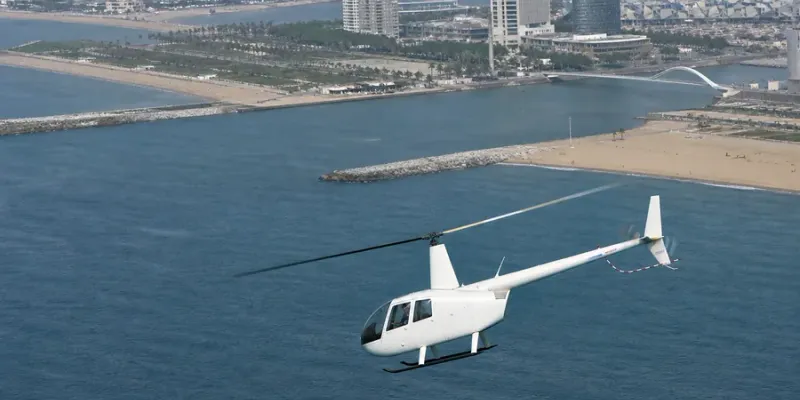
Ask what happens if weather disrupts the plan. This is not a reason to expect problems, but it is a sensible part of choosing. A clear policy helps you understand your options if the flight cannot proceed as intended. Vague answers can leave you with wasted time and unresolved plans.
Make the final comparison
By this stage, the choice should feel less like a contest and more like a fit check. Put the strongest options side by side and compare the route, duration, aircraft details, safety guidance, meeting point, and flexibility. The option that explains itself clearly is often the easiest to trust.
Avoid choosing only by the most dramatic description. A good vuelo en helicoptero barcelona should make sense before takeoff, during the flight, and after landing. If the details are consistent from start to finish, you are more likely to know what to expect and enjoy the experience for what it is: a distinctive view of Barcelona from above.